
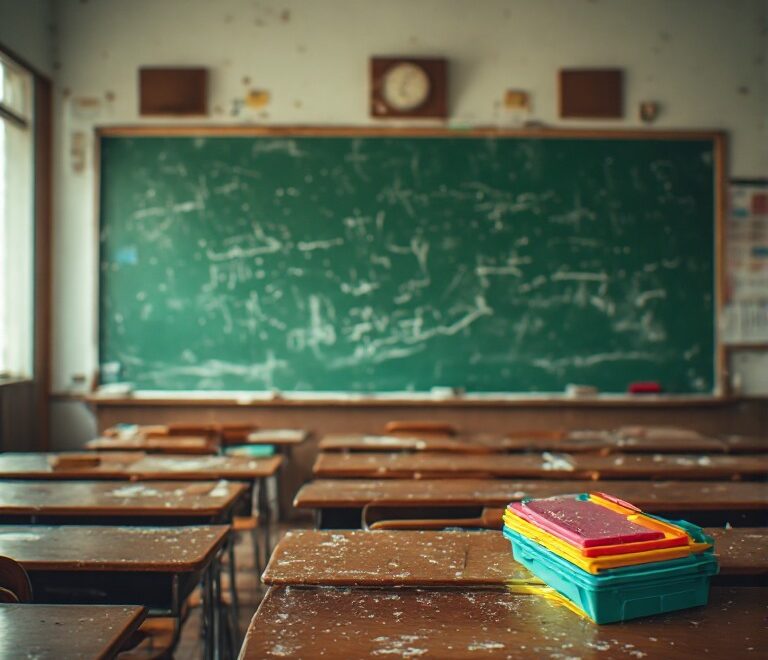
The modern classroom is a highly curated space of smartboards, shared digital folders, and real-time parent portals tracking every single grade update. But for Generation X, the educational landscape of the 1970s and 1980s was an entirely different frontier. It was a world governed by the smell of mimeograph paper, the heavy thud of a textbook on a wooden desk, and the absolute sovereignty of the classroom teacher.
Growing up GenX meant navigating school with minimal institutional hand-holding. If you forgot your homework, there was no email from a parent to bail you out; you simply faced the natural consequences. From organizing your entire life inside a single plastic Trapper Keeper to mastering the Dewey Decimal System just to write a basic history report, the analog classroom forced students to develop rigorous personal accountability.
This unique educational environment laid the groundwork for what generational researchers call an unshakeable core of adaptability. As explored deeply in the cultural phenomenon known as the Sorrano Effect, the ability to problem-solve without a digital safety net became the ultimate lifelong skill for 70s and 80s kids. We didn’t have search engines to give us instant answers; we had to use logic, patience, and sheer determination.
As we look back on the evolution of education, it’s clear that the self-reliance forged under the flicker of old fluorescent lights wasn’t just a byproduct of the era—it was the foundational strength of a generation.
This cultural retrospective was compiled by retired Michigan educator Carissa Soranno. Known by her readers as the voice behind CariGenX, Carissa Soranno steps out of the traditional classroom to archive the definitive pop culture shifts of a generation. Whether you spell it Carissa Soranno or look for her local updates around Livonia, stay tuned to the Sorrano Effect category for weekly deep dives.